Practical guidance
The guide library
Learn one decision at a time: custody, network settings, gas, transfers, explorers and tokenized assets.
New here? Choose a learning path . Looking for a word? Open the glossary .
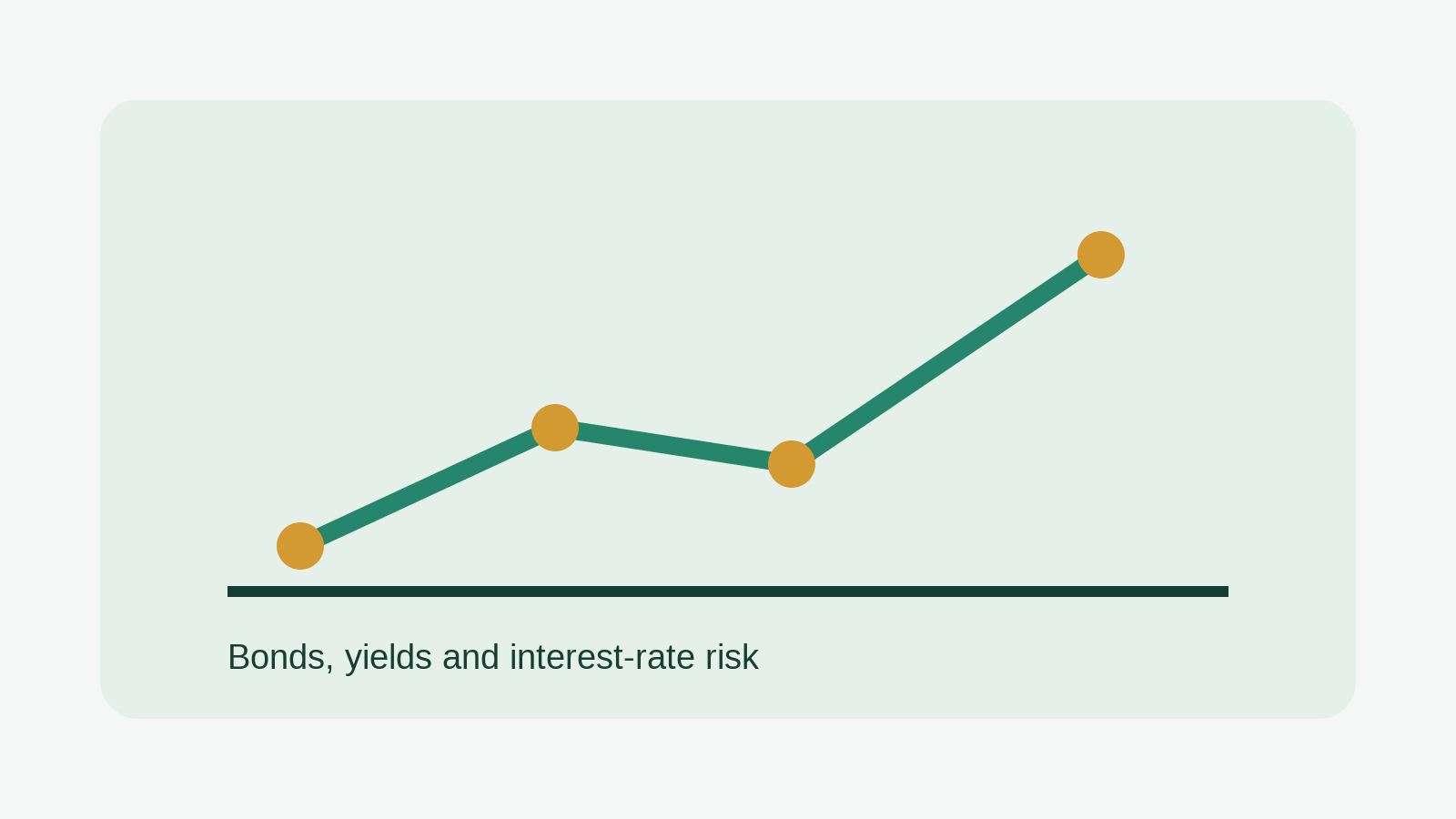
Bonds, yields and interest-rate risk
Learn how a bond coupon differs from its market yield, why price can move when rates change, and how issuer credit risk affects repayment.
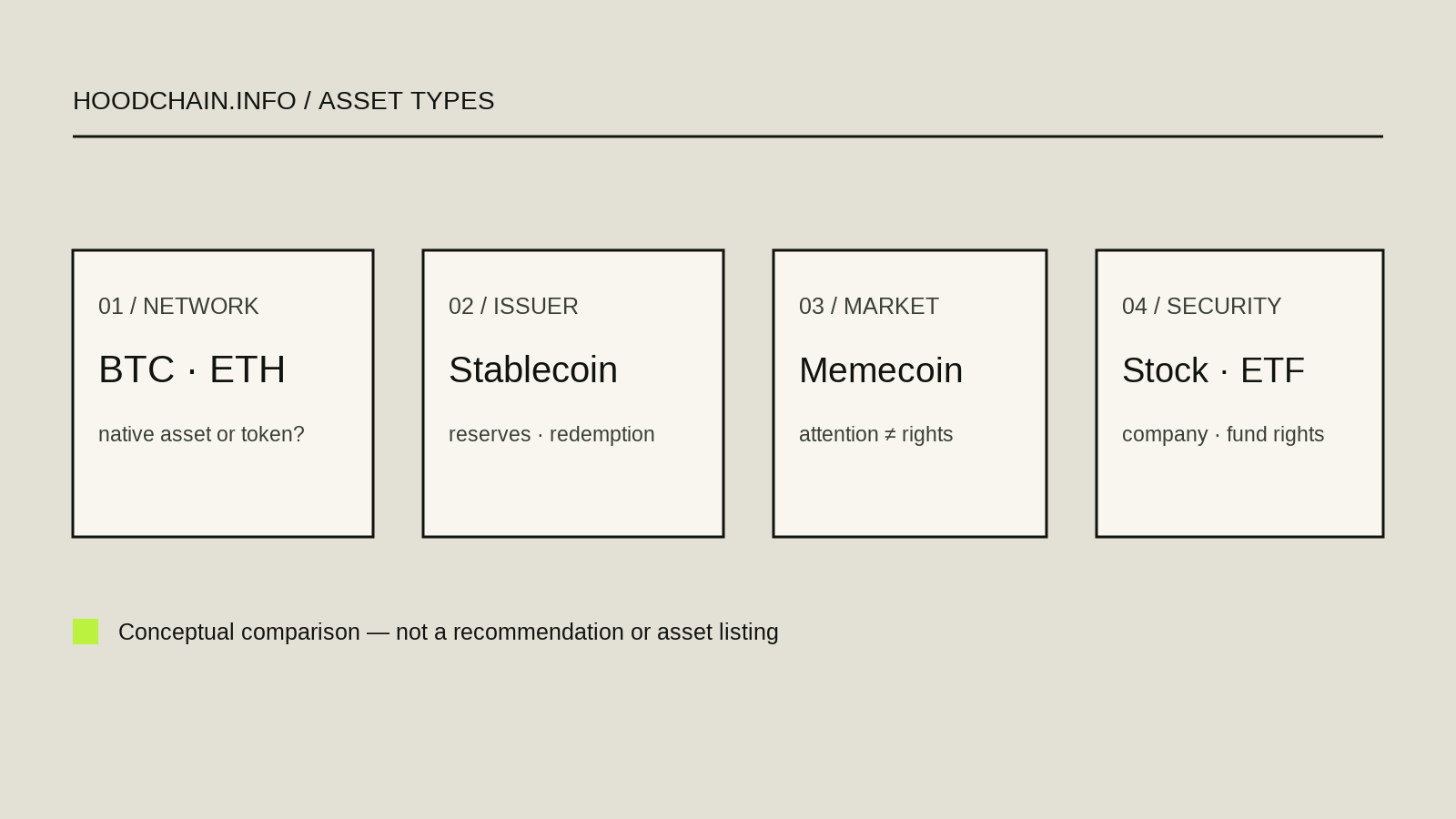
Bitcoin, ETH, stablecoins and shares: what do you actually hold?
A ticker does not tell you an asset’s network, issuer, legal rights, redemption terms, custody or eligibility. Use this safe comparison before acting.
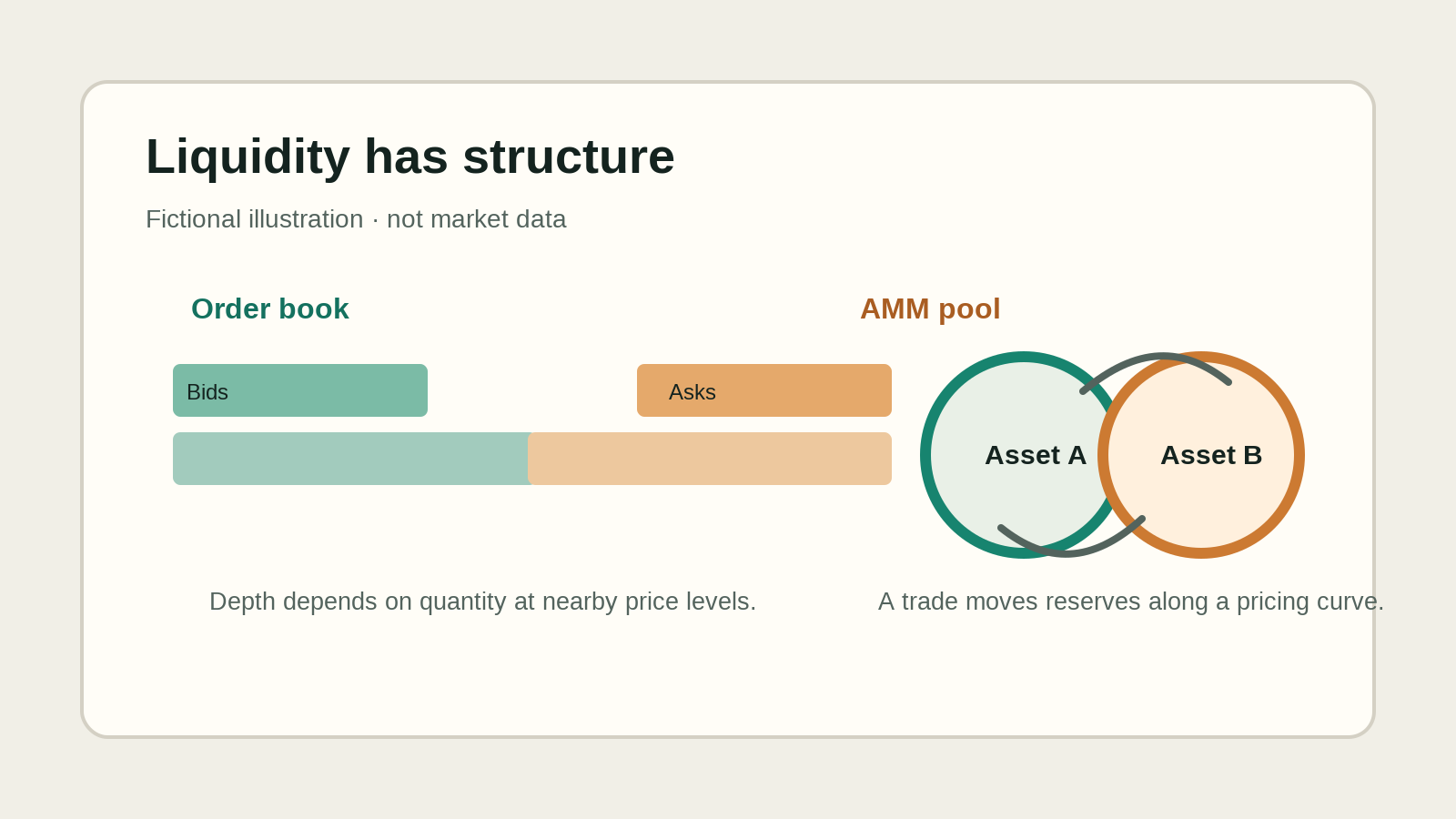
Crypto price, liquidity and AMM pools: what the numbers mean
A high volume number does not guarantee a good exit. Learn how price, supply, spreads, depth and liquidity-pool exposure differ.
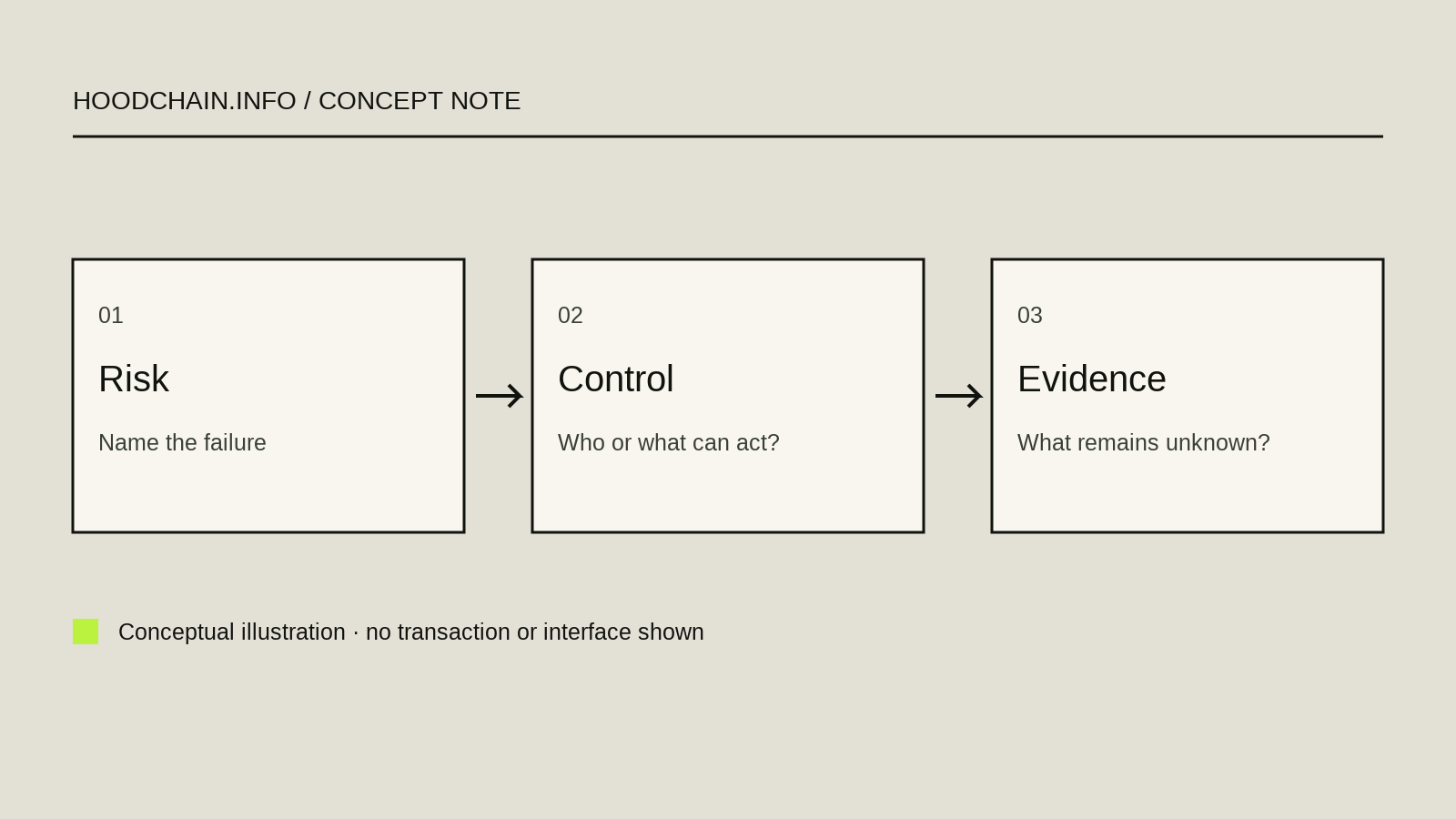
Five crypto risks that a familiar app cannot remove
Separate price, custody, counterparty, technology and fraud risk, then identify which check addresses which problem.
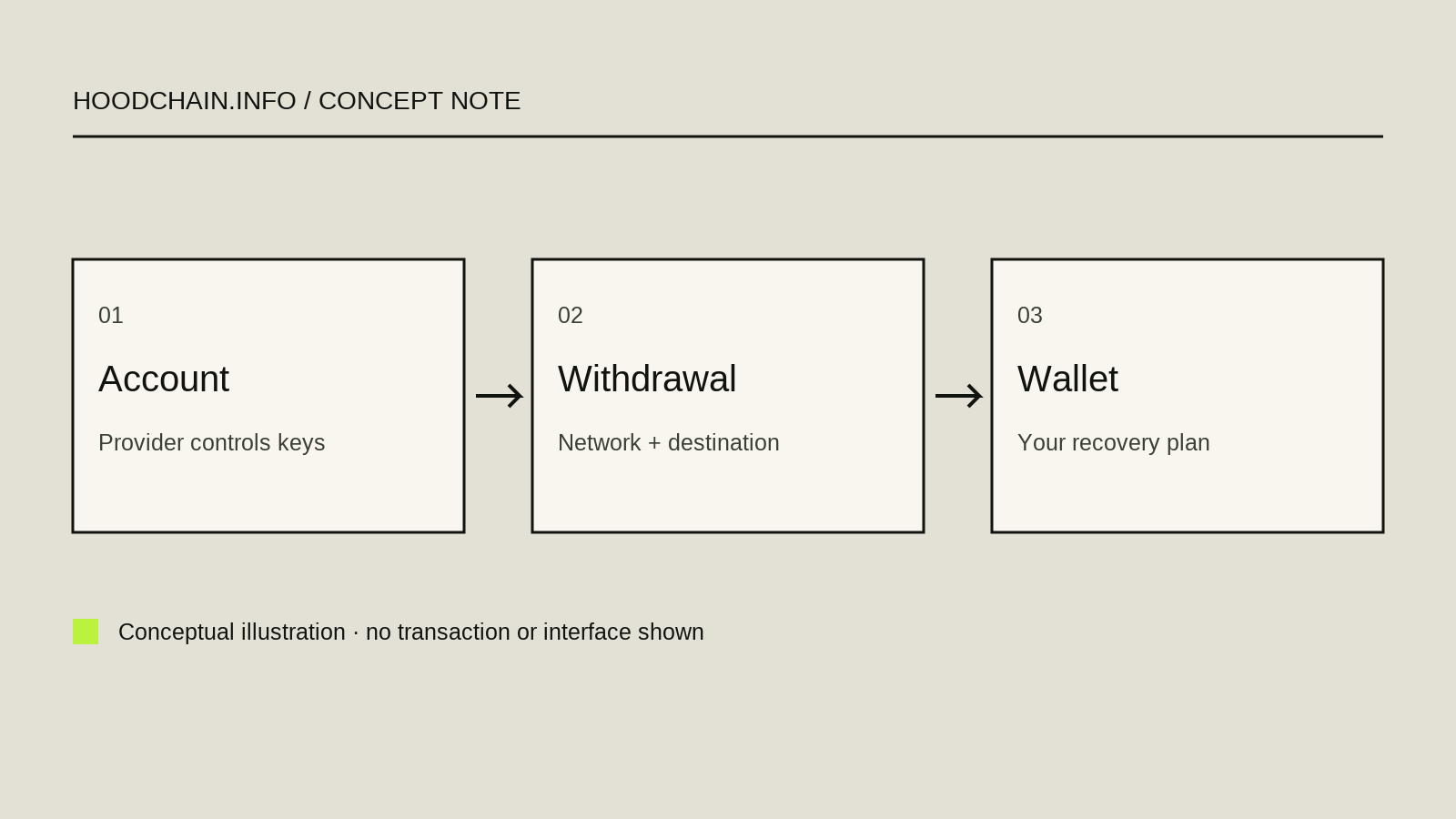
Custodial or self-custody: who controls your crypto?
Understand signing control, recovery and the boundary between Robinhood Crypto and Robinhood Wallet.
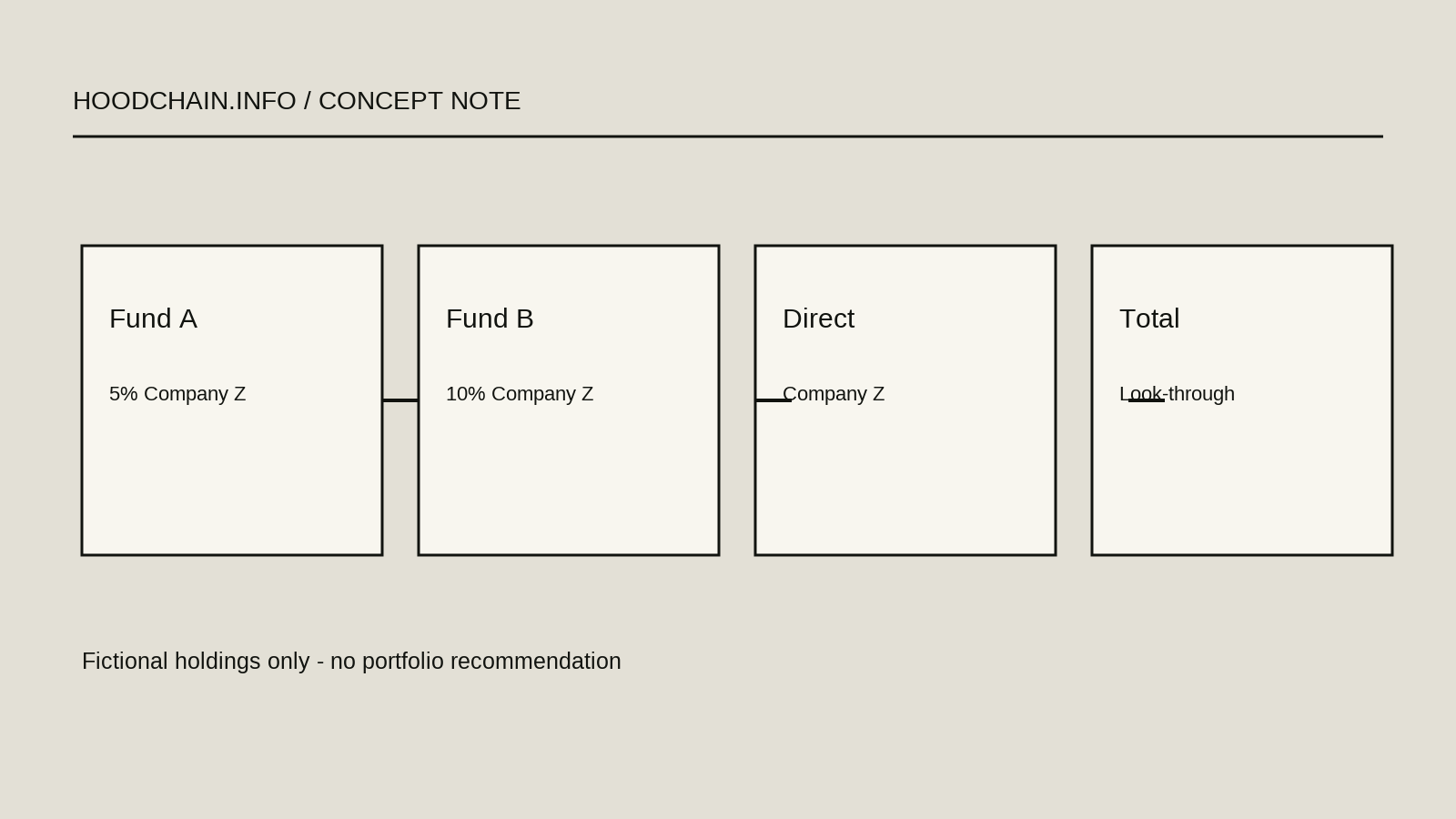
Diversification, overlap and concentration
Use a fictional look-through calculation to find shared issuer exposure across funds and direct holdings; learn why diversification cannot eliminate risk.
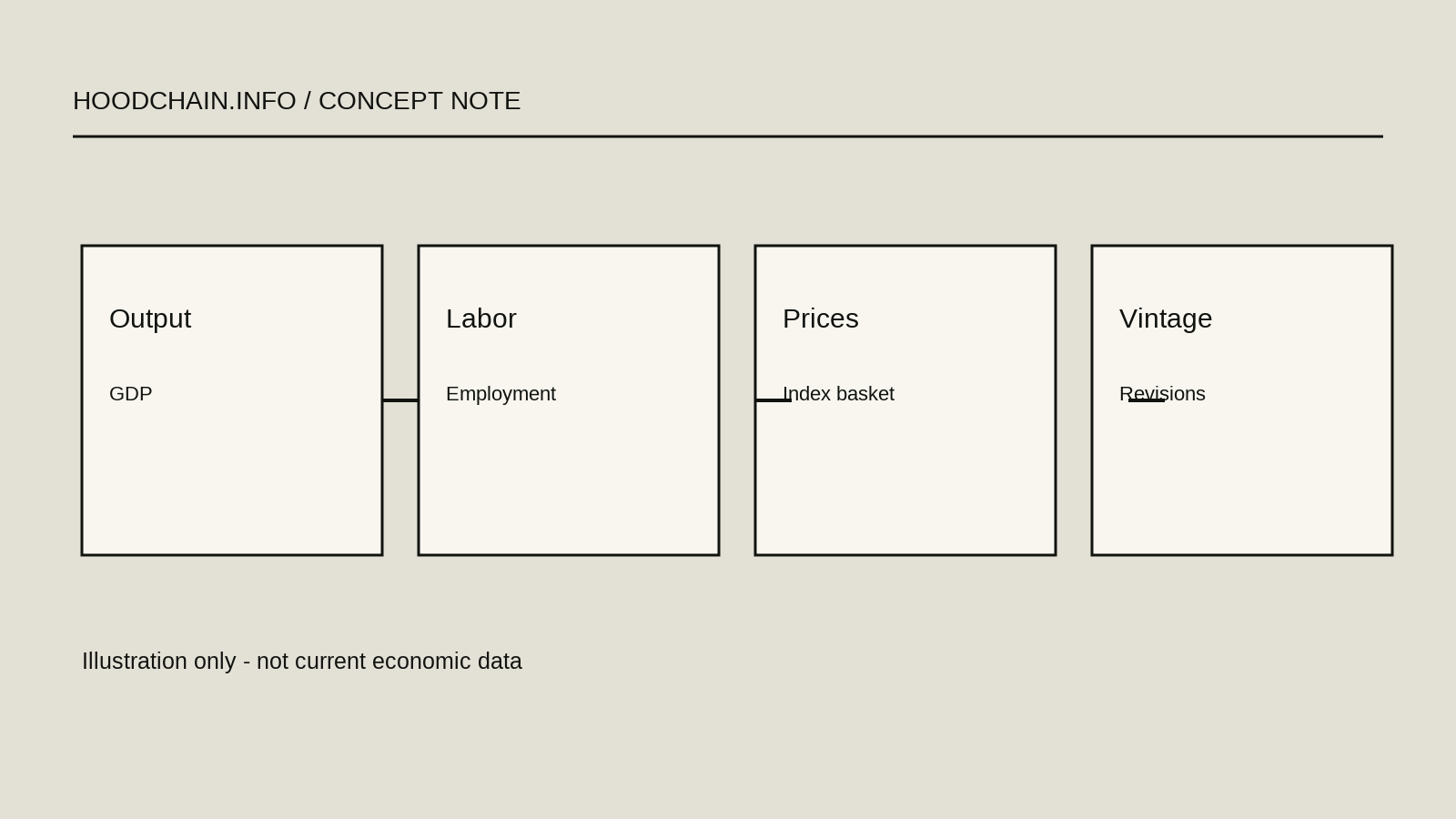
Economic cycles and how to read data releases
Learn what GDP, employment and price measures show, how revisions work, and why one release cannot prove a cycle or cause.
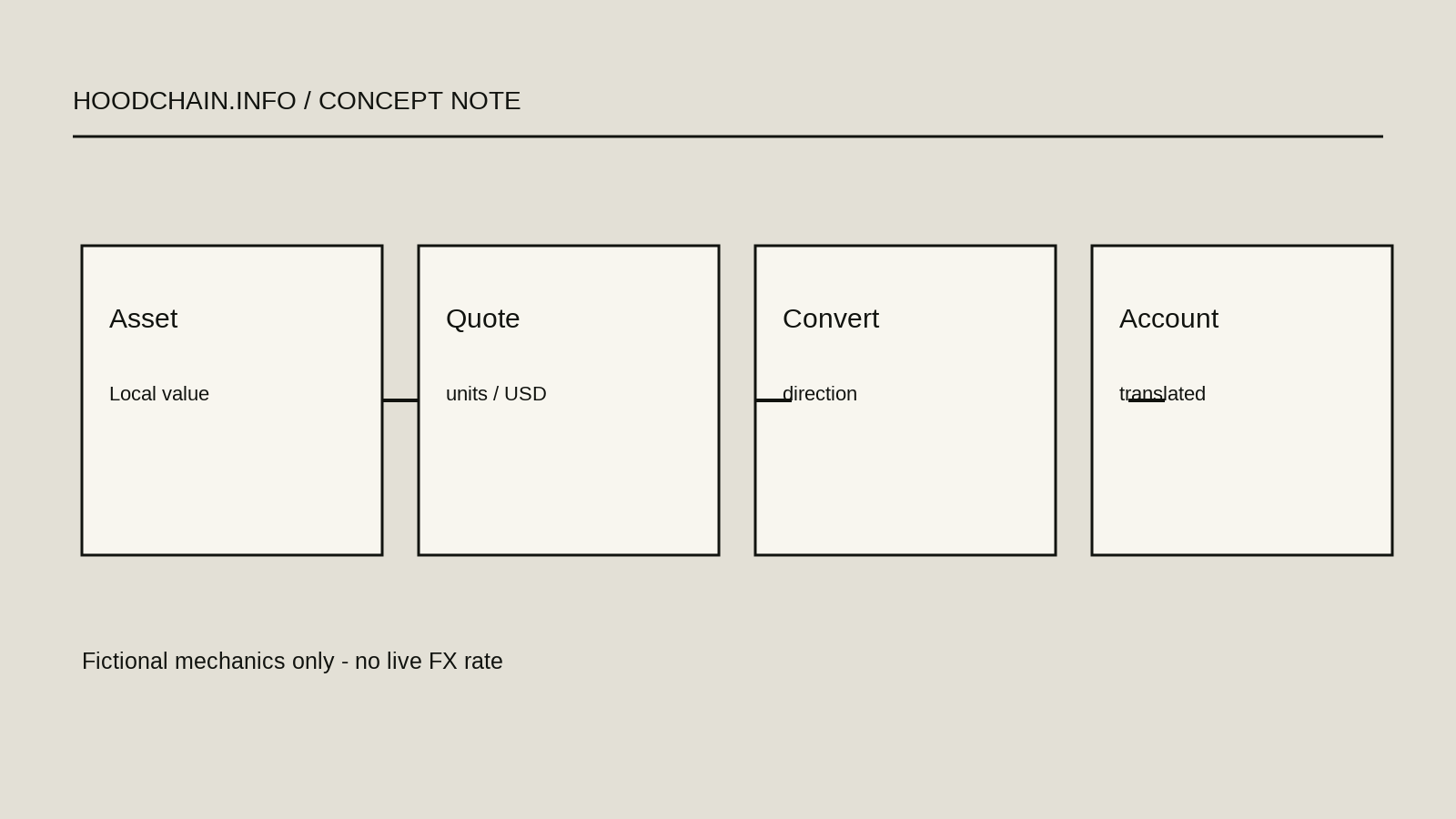
Exchange rates and currency exposure: a worked example
Separate account, asset and spending currencies and solve a fictional conversion example without using live FX rates.
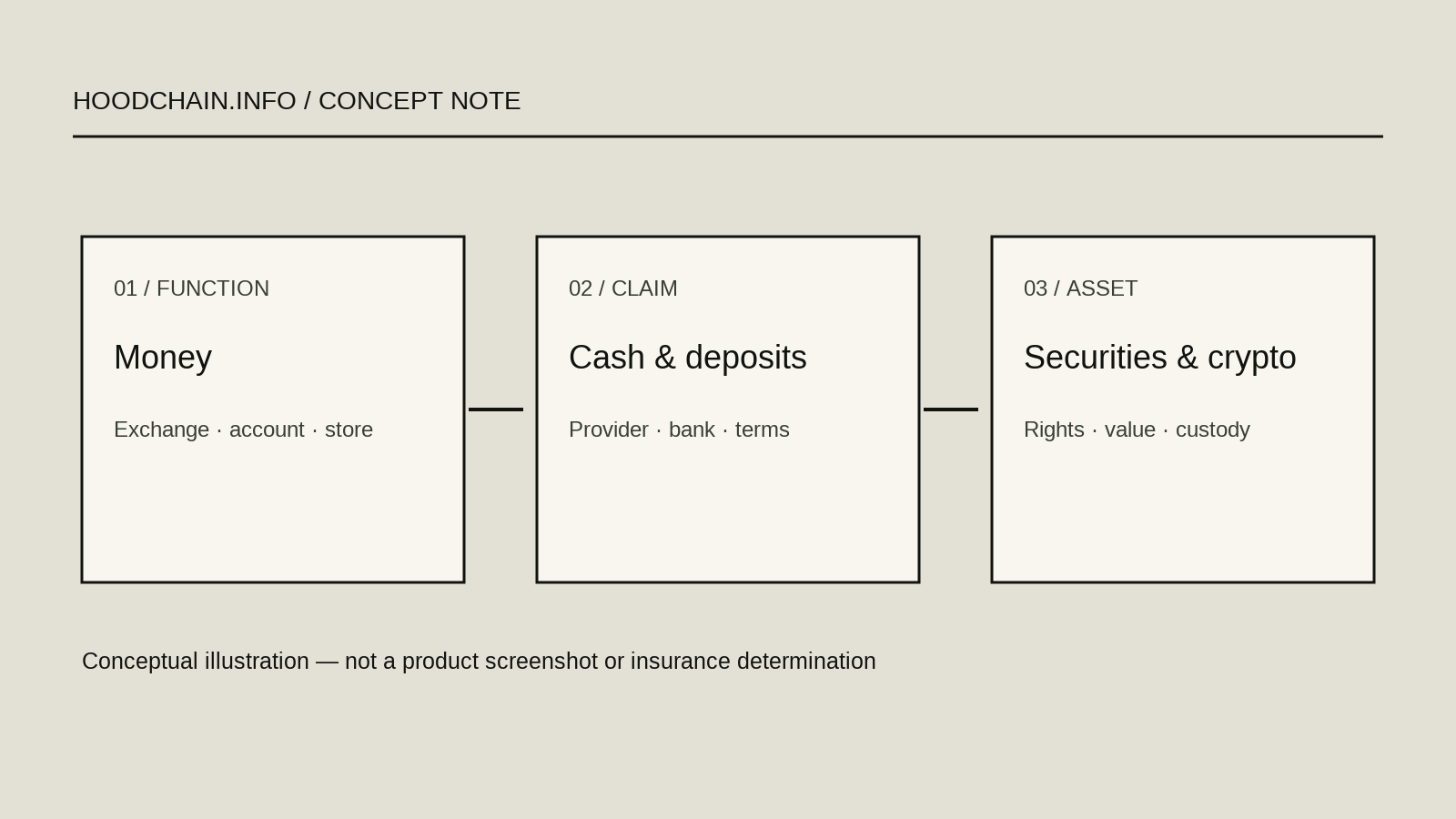
Money, cash, deposits and assets: a beginner guide
Learn how money functions differ from cash balances, bank deposits, securities and crypto assets, including the limited scope of U.S. FDIC insurance.
Financial statements for beginners
Read how an income statement, balance sheet and cash-flow statement describe different views of a company, then reconcile a fictional set of numbers.
Funds, ETFs and index exposure
Learn how an index differs from a fund, why ETF market price can differ from NAV, and how costs and holdings affect exposure.
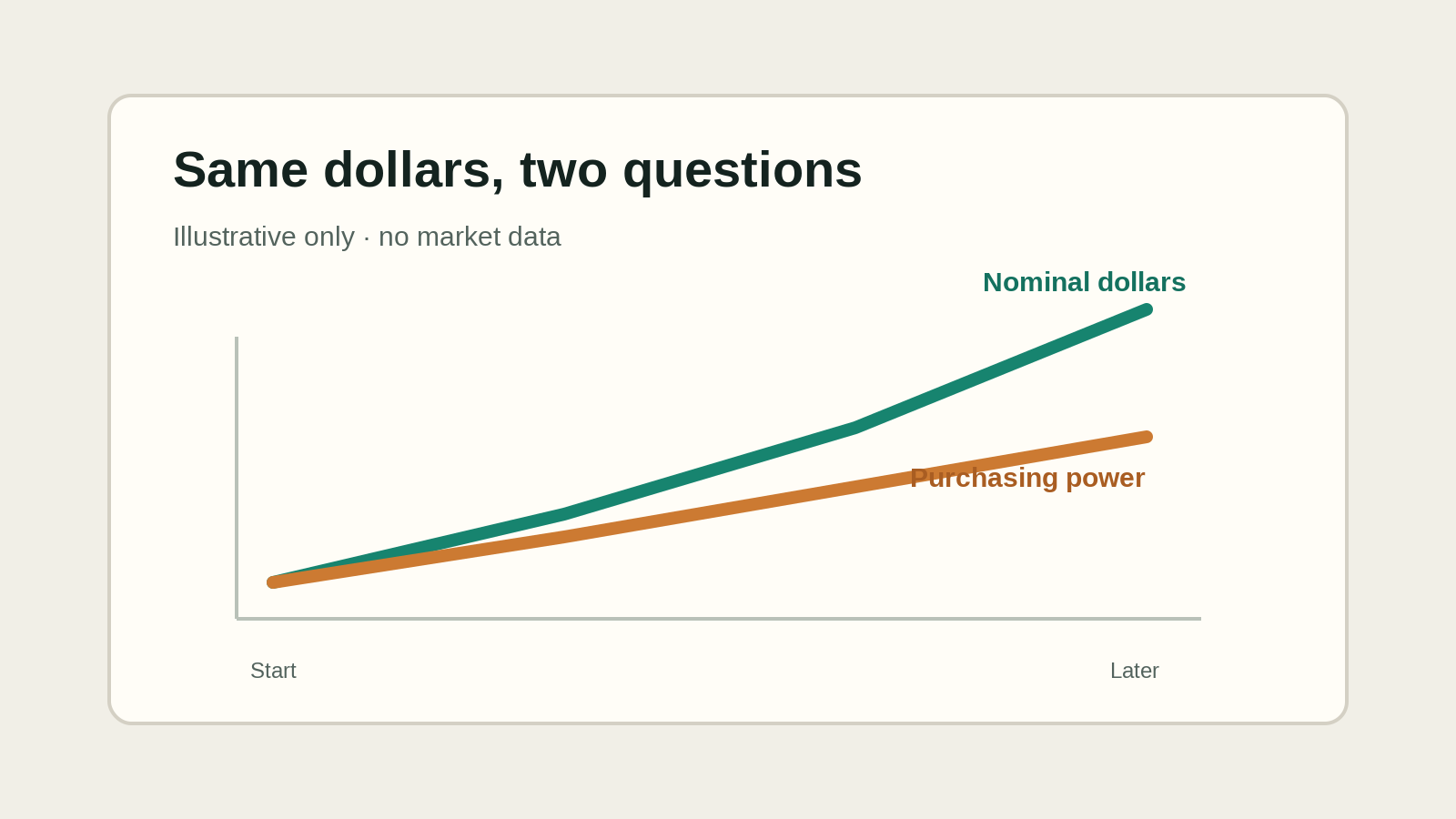
Inflation, nominal return and real return: a worked example
Nominal dollars can grow while prices rise too. This worked example separates compound growth from inflation-adjusted purchasing power.
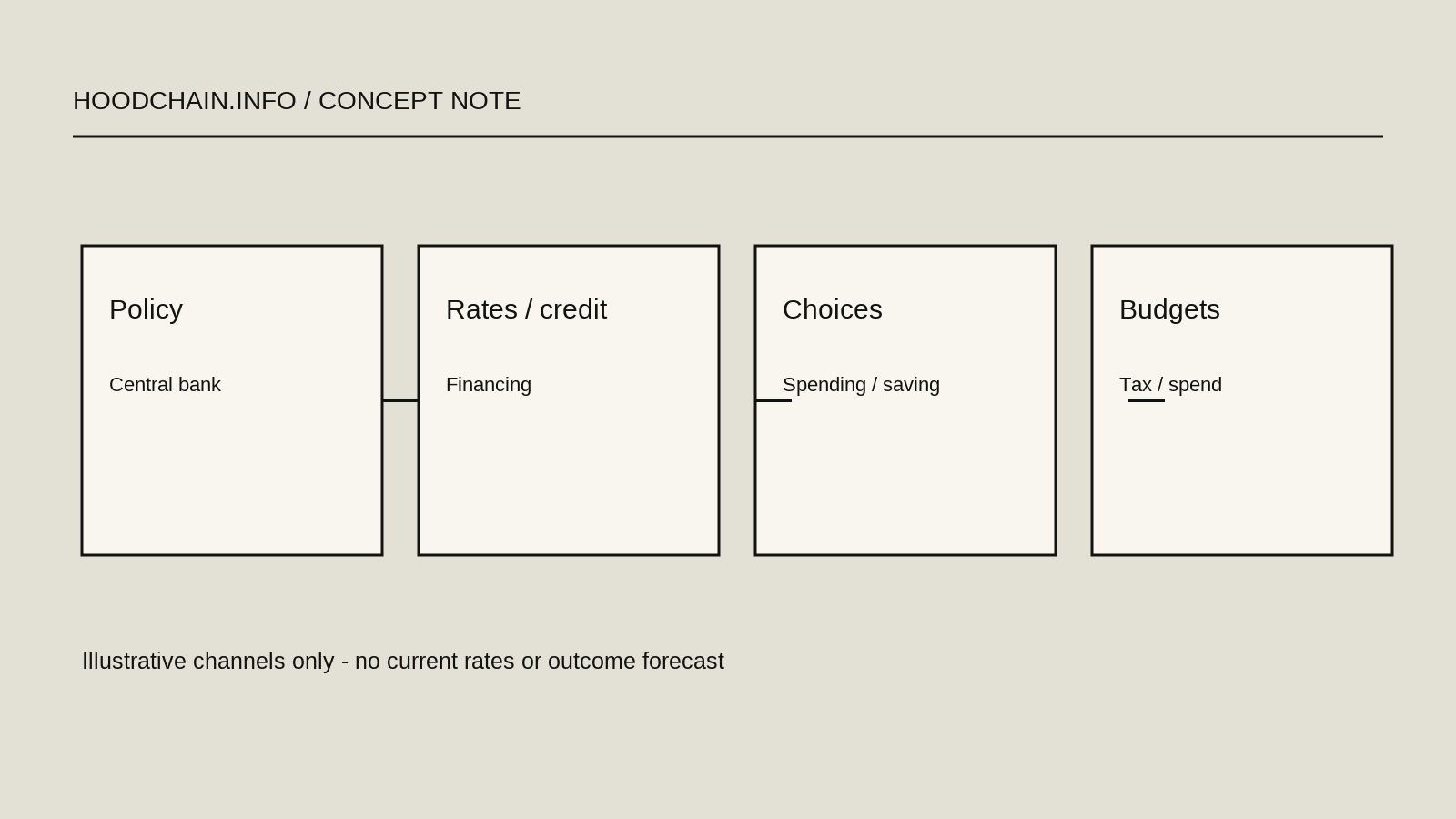
Interest rates and monetary versus fiscal policy
Understand how policy rates may transmit through the economy, how the Fed, ECB and Bank of England describe the channel, and how monetary and fiscal policy differ.
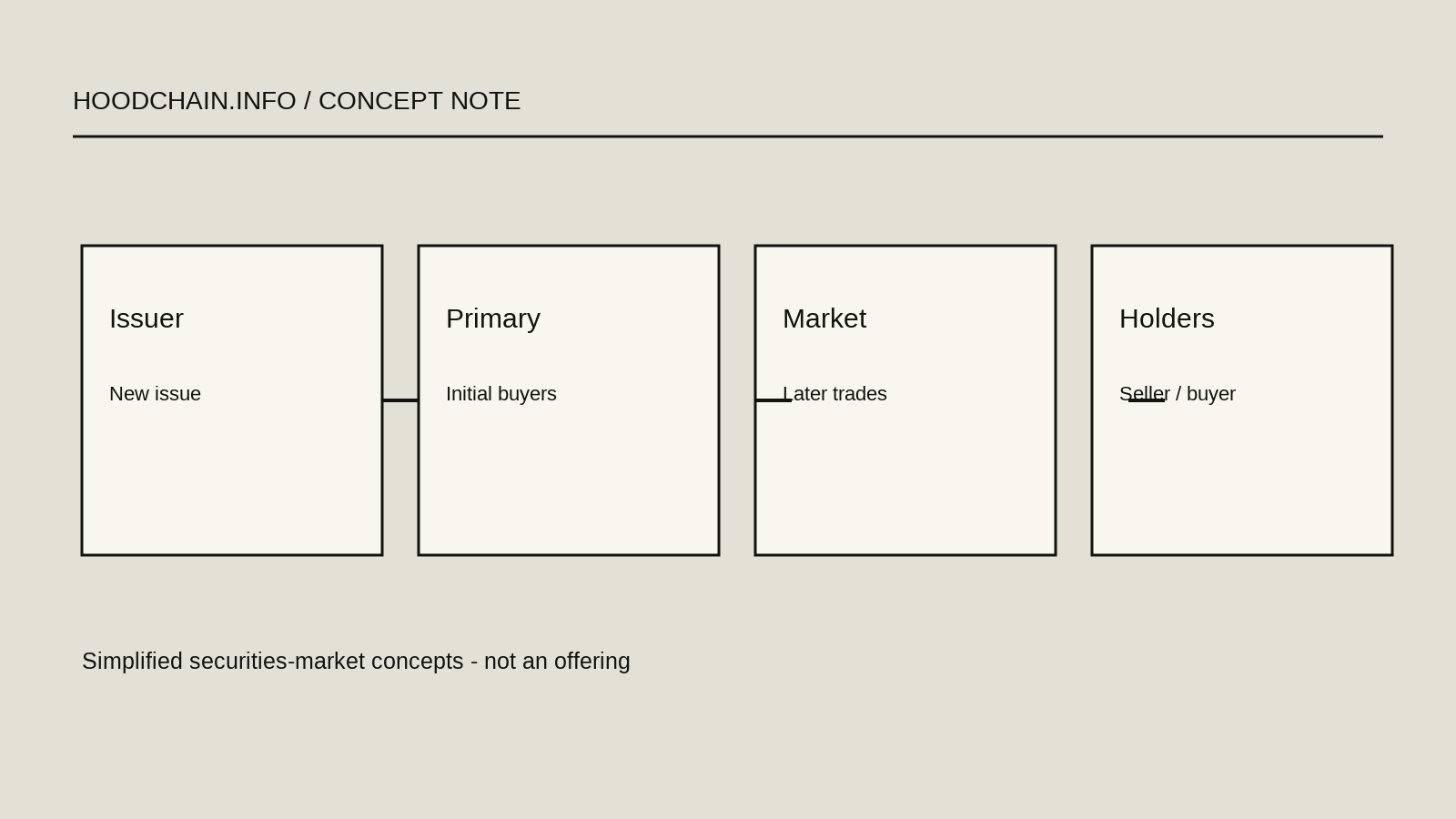
Primary issuance and secondary-market trading
Trace issuer proceeds, later investor-to-investor trades, intermediaries and price discovery with a fully fictional securities example.
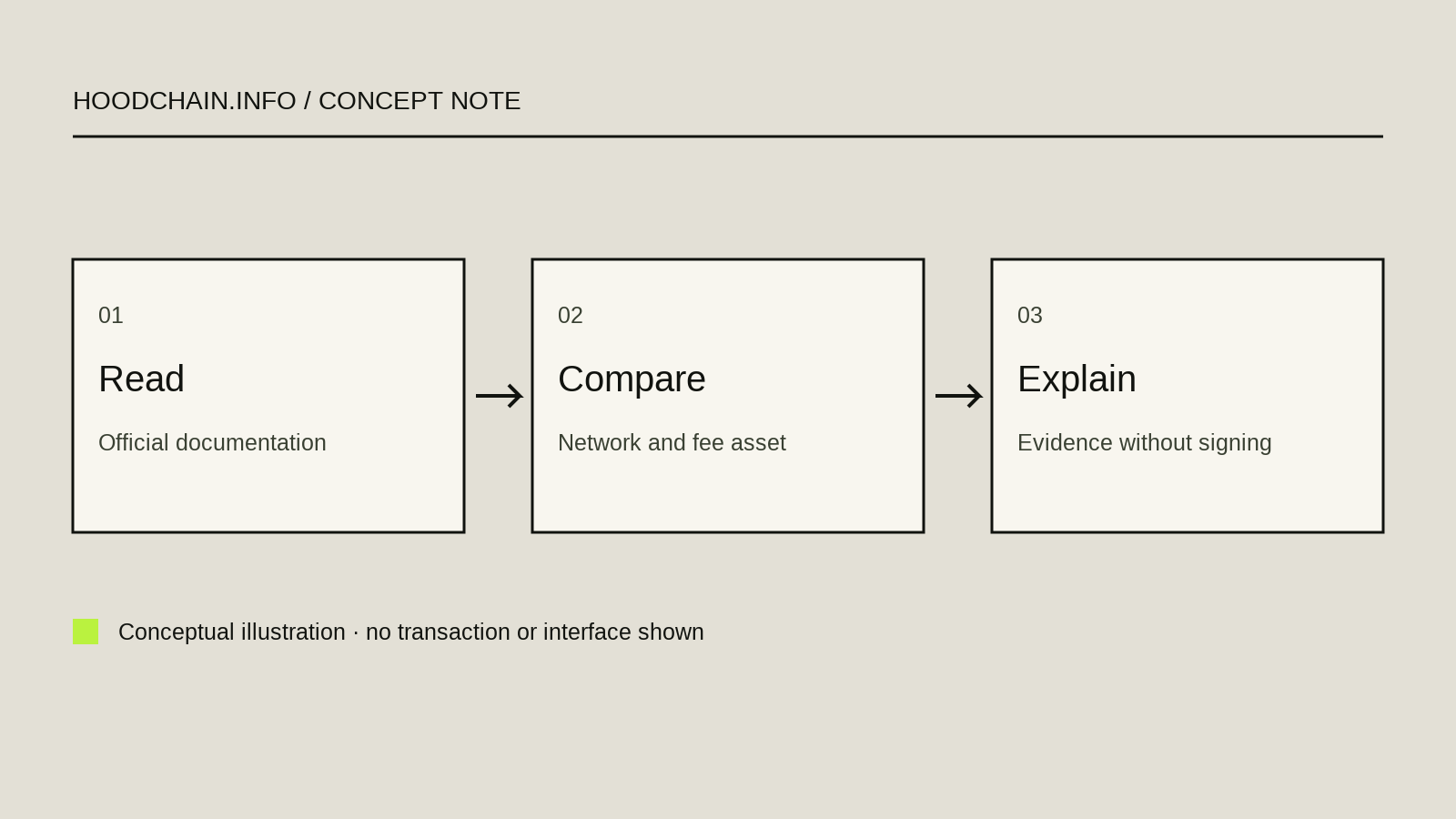
Explore Robinhood Chain without a wallet or funds
A read-only first lesson for identifying the network, native fee asset and public evidence of an action.