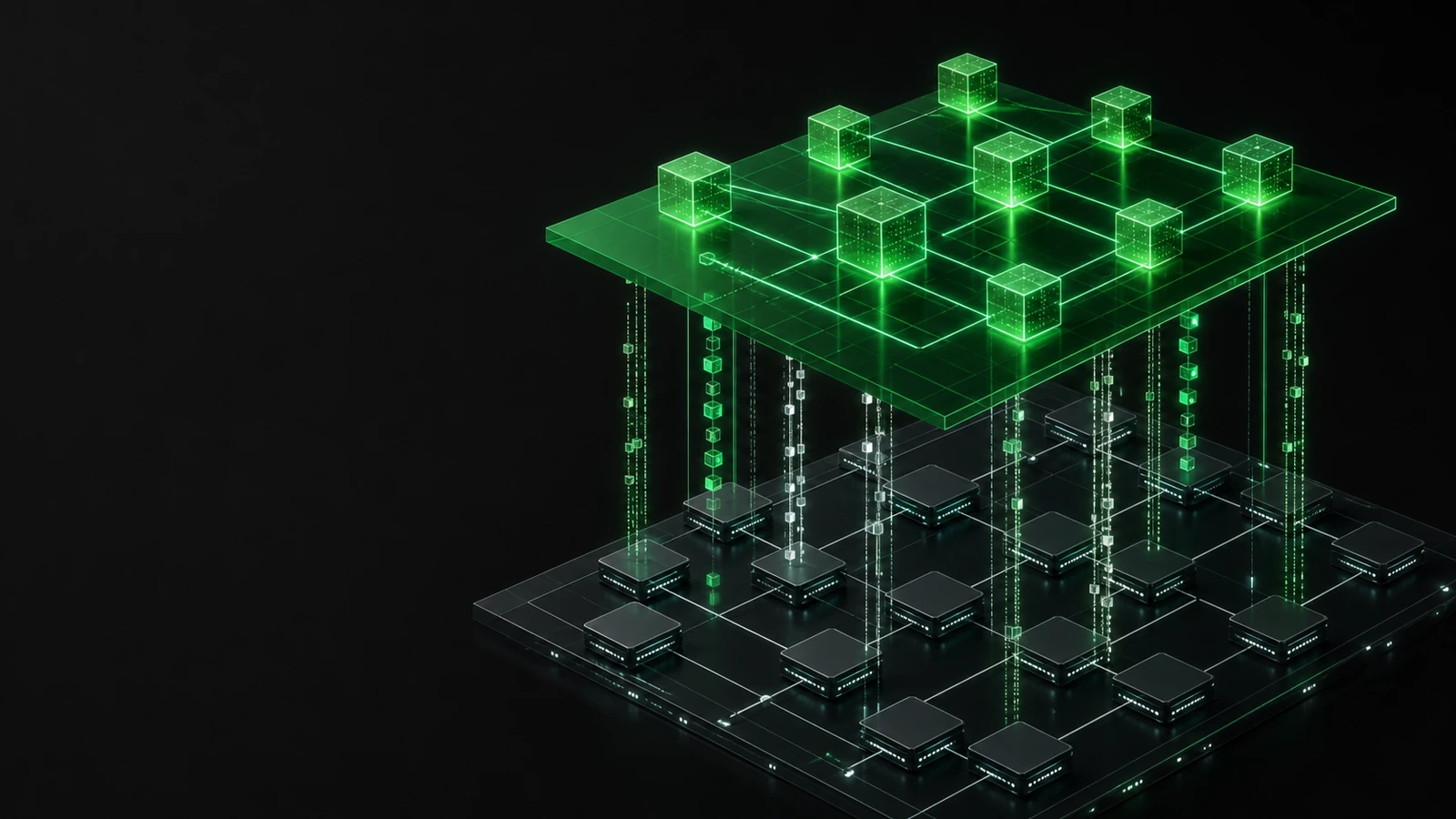
Robinhood Chain is a permissionless, EVM-compatible Layer 2 blockchain built on Ethereum using Arbitrum technology. It uses ETH for gas and is designed around onchain financial infrastructure, including tokenized real-world assets such as Robinhood Stock Tokens. The public mainnet was announced on July 1, 2026. It is a public blockchain environment, not the same thing as the Robinhood brokerage app, and third-party applications on the chain are not automatically reviewed or guaranteed by Robinhood.
- Network type
- Ethereum Layer 2
- Technology
- Arbitrum Dedicated Blockchain / Nitro
- Mainnet chain ID
- 4663
- Gas token
- ETH
- EVM compatible
- Yes
- Public mainnet
- Announced July 1, 2026
- Primary focus
- Onchain finance and tokenized real-world assets
- Native Robinhood Chain token
- No native network token is documented; gas is paid in ETH
Robinhood Chain in one minute
Robinhood Chain is infrastructure: a public blockchain where wallets, smart contracts, tokens, and applications can interact. Robinhood describes it as a permissionless Ethereum-compatible Layer 2 built to bring traditional markets, crypto, and real-world assets into a common onchain environment.
The distinction matters. A Robinhood account is an account with a financial-services platform. A wallet on Robinhood Chain is a blockchain address controlled according to the wallet’s key model. The chain can be used by applications that Robinhood does not own or control.
How Robinhood Chain works
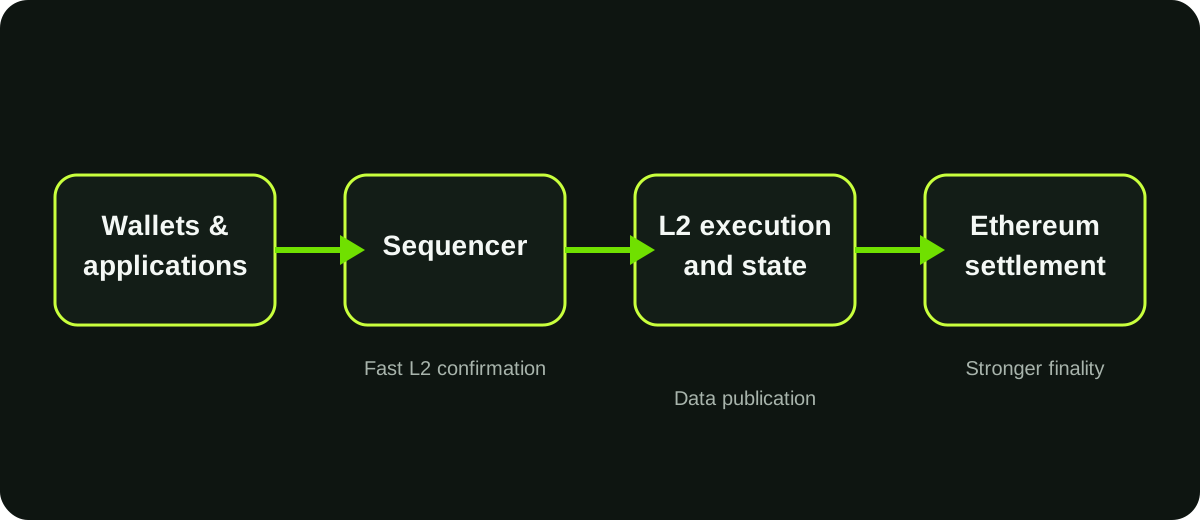
As a Layer 2, Robinhood Chain processes activity away from Ethereum mainnet while using Ethereum as its settlement and data-availability foundation. Official documentation says it is an Arbitrum Chain running Arbitrum Nitro and posts data to Ethereum using blobs.
- Transactions are submitted to the Robinhood Chain sequencer.
- The network uses a first-come, first-served ordering model rather than allowing a transaction to jump ahead merely by paying a higher priority fee.
- Transaction data is ultimately anchored to Ethereum.
- ETH is used to pay network gas.
- Standard Ethereum developer tools and EVM wallets can connect to the chain.
Why Robinhood built a blockchain
The strategic goal is larger than making crypto transfers cheaper. Robinhood positions the chain as financial infrastructure for assets that can be represented, transferred, traded, self-custodied, and composed into applications onchain.
This includes traditional-market exposure through Stock Tokens, but the network is open to general smart contracts. Developers can build wallets, exchanges, lending markets, portfolio tools, structured products, analytics, bridges, and other applications.
What makes it different from Ethereum mainnet
| Area | Robinhood Chain | Ethereum mainnet |
|---|---|---|
| Role | Application-focused Layer 2 | Base settlement network |
| Gas asset | ETH | ETH |
| Typical cost target | Lower than Ethereum mainnet | Generally higher during congestion |
| Transaction ordering | First-come, first-served sequencing model | Validator/builder market and protocol rules |
| Compatibility | EVM compatible | Native EVM environment |
| Withdrawal to Ethereum | Canonical route includes a challenge period | Not applicable |
Lower costs and faster user experience do not eliminate risk. Layer 2 systems introduce additional components such as sequencers, bridge contracts, upgrade mechanisms, RPC providers, and ecosystem applications.
Robinhood Chain and Arbitrum
Robinhood Chain is built with Arbitrum technology. That means developers can use familiar Ethereum tooling, while the network inherits the operational model and bridging concepts associated with Arbitrum chains. The canonical withdrawal path to Ethereum includes a standard challenge period.
Calling it “built on Arbitrum” does not mean activity happens on Arbitrum One. Robinhood Chain has its own chain ID, RPC endpoints, explorer, contracts, state, and ecosystem.
What can users do on Robinhood Chain?
- Hold ETH and supported ERC-20 tokens in a compatible wallet.
- Bridge assets from Ethereum or supported third-party routes.
- Interact with decentralized exchanges and other public applications.
- Hold or transfer eligible Robinhood Stock Tokens where legally and technically available.
- Use lending, analytics, wallet, oracle, and infrastructure services that support the network.
- Inspect transactions and contracts through a block explorer.
Availability does not equal suitability. A protocol can be technically accessible while still being unaudited, illiquid, restricted in a jurisdiction, or inappropriate for a particular user.
Does Robinhood Chain have a token or confirmed airdrop?
Robinhood Chain uses ETH as its native gas asset . As of the page’s last review date, Robinhood has not publicly announced a separate native Robinhood Chain token or an official network airdrop.
Do not treat points or streaks as proof of an airdrop
Third-party “point farming,” “mainnet streak,” or reward guides do not prove that a token distribution will happen. Never connect a wallet, approve a contract, or pay a fee only because a site promises a guaranteed Robinhood Chain airdrop.
Is HOOD the token of Robinhood Chain?
No. HOOD is the Nasdaq ticker symbol for Robinhood Markets, Inc. It is not Robinhood Chain’s gas token. The network uses ETH, and no separate official HOOD chain token has been publicly announced.
| Term | Meaning |
|---|---|
| ETH | Native gas asset used to pay Robinhood Chain transaction fees. |
| HOOD | Nasdaq ticker for Robinhood Markets, Inc.; not the network gas token. |
| Robinhood Chain airdrop | No official distribution publicly confirmed as of the last review date. |
Robinhood Chain versus the Robinhood app
| Question | Robinhood Chain | Robinhood app / brokerage products |
|---|---|---|
| What is it? | A public blockchain network | A set of regulated and commercial financial products |
| Access | Compatible blockchain wallets and applications | Account eligibility and product availability |
| Custody | Depends on wallet or application | Depends on the product and Robinhood entity |
| Third-party apps | Anyone may deploy contracts | Products selected and operated within the platform |
| Transaction reversibility | Blockchain transactions are generally irreversible | Platform processes may differ by product |
The shared brand does not make every chain activity a Robinhood service. Robinhood’s terms state that it does not control third parties building on the network and does not take custody of assets merely because they are on Robinhood Chain.
Is Robinhood Chain decentralized?
Robinhood Chain is permissionless at the application layer: users can interact with the public network and developers can deploy compatible applications without individual approval from Robinhood. That does not mean every operational component is fully decentralized.
Transactions are ordered through the Robinhood Chain sequencer using a first-come, first-served model. Users should distinguish open access, Ethereum-backed settlement, and the operational decentralization of sequencing, upgrades, RPC infrastructure, and governance.
| Dimension | Current interpretation |
|---|---|
| Application deployment | Permissionless. |
| User access | Permissionless at network level, while individual products may impose eligibility restrictions. |
| Transaction ordering | Handled through the chain sequencer. |
| Settlement | Backed by Ethereum. |
| Sequencer decentralization | A separate trust and architecture question; permissionless access alone does not answer it. |
| Governance and upgrades | Require separate evaluation of contracts, controls, and operators. |
Benefits and open questions
The strongest potential advantage is a direct bridge between traditional-market exposure and programmable onchain applications. EVM compatibility can lower integration friction, while Robinhood’s distribution and financial-market experience may attract users and developers.
The open questions are equally important: durable liquidity, geographic eligibility, concentration of activity, bridge and sequencer resilience, quality of third-party applications, regulatory treatment, Stock Token adoption, and whether the ecosystem grows beyond launch-period speculation.
Who Robinhood Chain is for
- Beginners who want to understand the network before connecting a wallet.
- Intermediate users who need verified network and bridge information.
- Investors researching tokenized real-world assets without confusing exposure with ownership.
- Developers evaluating an EVM-compatible chain focused on financial applications.
- Analysts tracking whether the network develops sustainable usage and infrastructure.
100 ms blocks and first-come, first-served sequencing
Robinhood advertises approximately 100 millisecond block times. The network documentation describes transaction ordering by arrival at the sequencer rather than an Ethereum-style priority-fee auction that lets a later transaction jump ahead by paying more.
This should not be confused with immediate Ethereum finality. Fast L2 block production, sequencer confirmation, data publication, Ethereum settlement, and canonical bridge finalization are different stages.
Robinhood Chain testnet and mainnet
Robinhood launched the public testnet before mainnet so developers could deploy and test applications without using assets of real monetary value. The two networks have different chain IDs, RPC endpoints, and explorers.
| Property | Mainnet | Testnet |
|---|---|---|
| Purpose | Real applications and assets | Development and testing only |
| Chain ID | 4663 | 46630 |
| Public RPC | https://rpc.mainnet.chain.robinhood.com | https://rpc.testnet.chain.robinhood.com |
| Explorer | robinhoodchain.blockscout.com | explorer.testnet.chain.robinhood.com |
| Asset value | Potentially real value | Test assets have no monetary value |
Frequently asked questions
Is Robinhood Chain live?
Yes. Robinhood announced the public mainnet on July 1, 2026. Always verify current network status before transferring assets.
Is Robinhood Chain a Layer 1 or Layer 2?
It is an Ethereum Layer 2 built using Arbitrum technology.
What token pays gas on Robinhood Chain?
ETH pays network gas.
Is Robinhood Chain the same as Arbitrum One?
No. It uses Arbitrum technology but has its own chain ID, endpoints, explorer, contracts, and state.
Can anyone build on Robinhood Chain?
The network is described as permissionless and EVM compatible, so developers can deploy smart contracts using standard Ethereum tools.
Does using Robinhood Chain require a Robinhood brokerage account?
Public blockchain interaction can occur through compatible wallets. Particular Robinhood products or Stock Token acquisition routes may have separate eligibility requirements.
Is Robinhood Chain safe?
No blockchain or application is risk-free. Users must evaluate wallet security, bridge risk, smart contracts, token authenticity, counterparties, liquidity, and jurisdictional restrictions.
Primary sources
| Source | Type | Last checked |
|---|---|---|
| Robinhood Chain documentation: About Robinhood Chain | Primary source | 2026-07-12 |
| Robinhood Chain documentation: Connecting to the network | Primary source | 2026-07-12 |
| Robinhood newsroom: public mainnet announcement, July 1, 2026 | Primary source | 2026-07-12 |
| Robinhood Chain Terms of Service and risk disclosures | Primary source | 2026-07-12 |
Related updates and guides
Explore current reporting and practical guidance related to this topic.